




How long does it take for an ear piercing to heal?
An earlobe piercing takes between 6 and 8 weeks to heal. If the piercing is in the cartilage (helix, tragus, conch, daith, etc.), expect it to take between 4 months and a year. These are the timeframes provided by the Cleveland Clinic and UCLA Health, and they are the same ones we use at Adamina.
In summary
- Lobe: 6 to 8 weeks.
- Cartilage: 4 months to one year, depending on the area.
- Don't change the jewelry until the area has completely healed, even if it looks like it has already healed on the outside.
- The biggest obstacles to healing: sleeping on the piercing and touching it with unwashed hands.
How long does it take for each part of the ear to heal?
Each area has its own pace. The earlobe heals the fastest, while the snug and antitragus take the longest. This chart shows the approximate timeframes we use at Adamina. Your body may heal a little faster or slower.
| Zone | Estimated curing time |
|---|---|
| Lobe | 6 to 8 weeks (sometimes up to 12) |
| Helix, tragus, conch, flat, and antihelix | 6 to 12 months |
| Rook and Daith | 6 to 12 months |
| Snug and antitragus | 9 to 12 months, sometimes longer |
The Cleveland Clinic estimates 6 to 12 months for the helix, tragus, conch, daith, and rook. The snug and antitragus are the areas that usually take the longest to heal.

Why does the cartilage take longer than the lobe?
The lobe is fatty tissue with a good blood supply, which is why it heals in just a few weeks. Cartilage has no direct blood supply, so it regenerates much more slowly. UCLA Health explains that it takes 6 to 8 weeks for the lobe to heal and 4 months to a year for cartilage, depending on the area.
The skin heals on the outside long before the piercing has healed on the inside. That's why a helix piercing can look good after two months but still be sensitive.
Ear Piercings
- Lobe
- 6–8 weeks
- Helix, tragus, conch, rook, daith
- 6–12 months
- Snug, antitragus
- 9–12 months or more
- First piece of jewelry
- titanium or steel
What causes a piercing to take longer to heal?
The area determines the timeframe, but your habits can extend it. Here are the most common reasons why a piercing takes longer to heal:
- Sleep on that side. The pressure causes swelling in the area and can reopen the wound. A travel pillow with a hole in the center helps during the first few months.
- Touch it or turn it. Every time you touch it with unwashed hands, you're letting bacteria in.
- A material your skin can't tolerate. Nickel-containing pieces are the most likely to cause reactions. For your first piece of jewelry, choose titanium or steel; we offer our pieces in titanium piercings.
- Intense exercise during the first few days. Sweat and impact can irritate the piercing.
- A studio with no guarantees. Get your piercing done by a professional who uses sterile equipment and explains how to care for it.
EAR PIERCINGS
See all
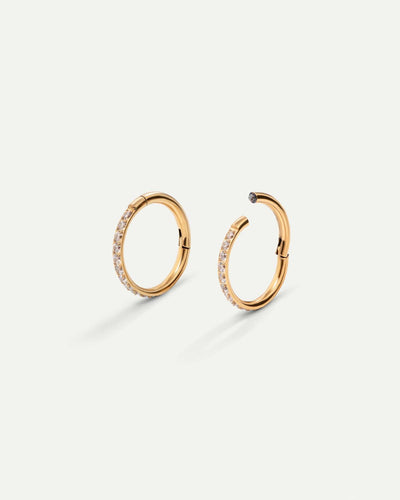
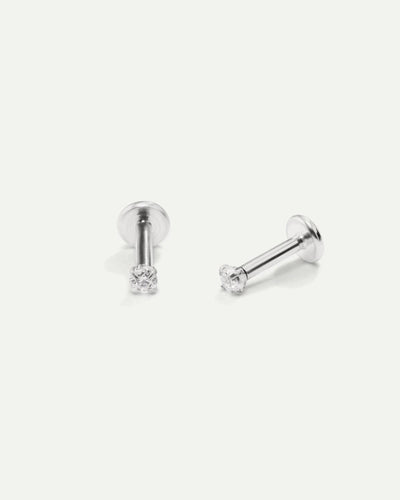
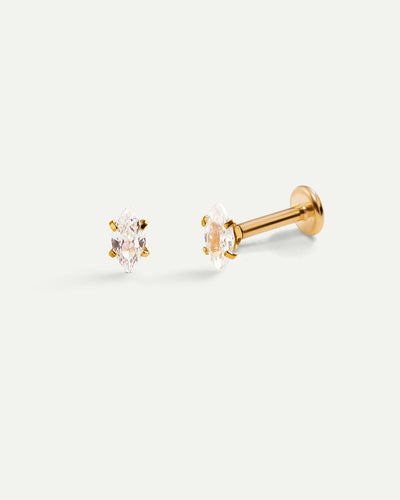
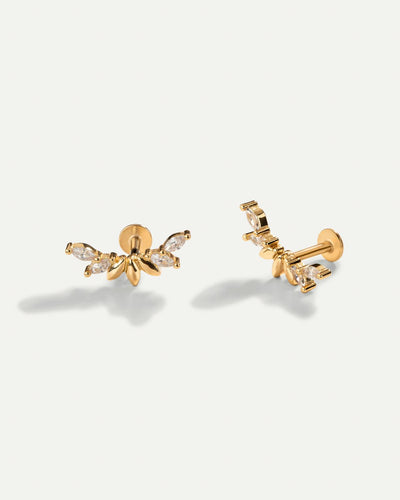
How can you tell if your piercing has healed?
A healed piercing doesn't hurt when you touch it, isn't red or swollen, and doesn't ooze fluid or form scabs. If you're unsure, ask the studio where you had it done before changing the jewelry: they're in the best position to assess it.
If you experience severe pain, warmth, pus, or a fever, see a healthcare professional. Regarding cartilage, UCLA Health recommends seeking medical attention immediately if there is an infection.
When can I change my ear piercing?
For a lobe piercing, wait at least 8 weeks. For a cartilage piercing, wait until the healing period for that area is over and you no longer feel any discomfort. When the time comes, it’s best to make your first jewelry change with a lightweight piece made of titanium or steel and with the same post thickness.
If you're already at that point, you have our entire selection of ear piercing jewelry. And if you're still deciding, check out our guide on what earring to wear in a new piercing.
The Questions Our Customers Ask Us Most Often
"Our female customers always ask us about combinations; they're worried about how they'll sleep and want to know how long they have to wait before wearing their piercings."
María de Santos, founder of Adamina
How long do I have to wait before getting my new piercing?
Whatever is indicated for the area in the table above: about 8 weeks for the lobe and 4 months to a year for the cartilage. If you can't wait to wear jewelry, start with the areas that have already healed and leave the new piercing alone until it has healed completely.
When can I sleep on the side with the piercing?
Once the area has healed and it no longer bothers you when you rest on it. Until then, sleep on the opposite side, and if you roll over without realizing it, use a travel pillow with a hole in the center so your ear rests in the hollow. That way, the piercing won't bear any weight throughout the night. If you've had both ears pierced, that pillow is the most helpful during the first few months.
How do I style my ear piercings while they're healing?
You can plan your combination from day one, but have the pieces pierced in stages: first the healed areas, and then the new ones, once the healed ones no longer cause discomfort. In the meantime, keep the healing jewelry in place. For inspiration, check out how each area is styled in our guide to ear piercing types and in our ear piercing collection.
Frequently Asked Questions
How many days does it take for a pierced ear to heal?
In the lobe, between 42 and 56 days (6 to 8 weeks). In the cartilage, the healing time extends to months: between 4 months and a year, depending on the area and how well you care for it.
How long does it take for an ear piercing to heal?
It depends on where you get it pierced. On the earlobe, 6 to 8 weeks. On the upper part of the ear, which is cartilage, 4 months to a year.
Which part of the ear hurts the most?
Each area feels different when you get it pierced and during the healing process. We explain this area by area in our guide to the pain associated with each type of ear piercing.
Should you move your piercings while they're healing?
No. Turning or moving the jewelry irritates the piercing and slows down healing. Clean it without touching it more than necessary, and let it heal undisturbed.
How long should you clean a piercing?
For as long as the area takes to heal: about 6 to 8 weeks for the earlobe and several months for the cartilage. If you're unsure, keep cleaning it until you no longer feel any discomfort.
How do you clean it while it's healing?
Use saline solution, without twisting the earring, and pat dry with a clean gauze pad. You can find step-by-step instructions in our guide on how to heal an earring hole.
Sources: Cleveland Clinic, “Ear Piercing 101: Healing, Hurting, Cleaning, and More”; UCLA Health, “It’s Easy for Piercings to Become Infected.” This guide is for informational purposes only and is not a substitute for advice from a healthcare professional.